
If you own or manage manufacturing, automation, packaging, or food processing, you must know that industrial pneumatic components are an integrated part of the operations. A minor issue can cause downtime and losses. Learning about common issues and how to prevent them helps you keep the unit running and know when to call professionals.
Common Issues of Industrial Pneumatic Components and Ways to Prevent Them
Sudden Pressure Drop
Sudden pressure drop is one of the most common issues in industrial pneumatic components. It happens due to leaks around fittings, hoses, seals, valves and connections. Air leakage slows machine cycles, makes movement inconsistent, and reduces productivity. At the same time, it forces the compressor to run longer to compensate for the lost air, resulting in higher power consumption.
How to Prevent This
Leaks happen due to general wear and tear around the connections. Inspect these areas regularly, and if you spot any damage or a hole, do not wait. Hire seasoned experts to treat them.
Contaminated Air
Maintaining air pressure alone is not enough. It must be clean. Often, compressed air contains moisture, oil vapour, dust, and other contaminants. Moisture is the most harmful pollutant for pneumatic components because compressed air already contains moisture when it cools down. Excess moisture causes buildup and corrosion. These pollutants quickly damage the components, leading to permanent damage. This can also restrict airflow, degrade components, and cause malfunctioning valves or actuators.
How to Prevent This
Hire experts to inspect industrial pneumatic components. The specialists carefully check the filters, receiver tanks, and other areas where condensation occurs. This helps keep filters clean, ensure proper filtration, and prevent pollutants from reaching other parts. This also helps keep valves moisture-free and reduces the chance of corrosion.
Malfunctioning of the Valves
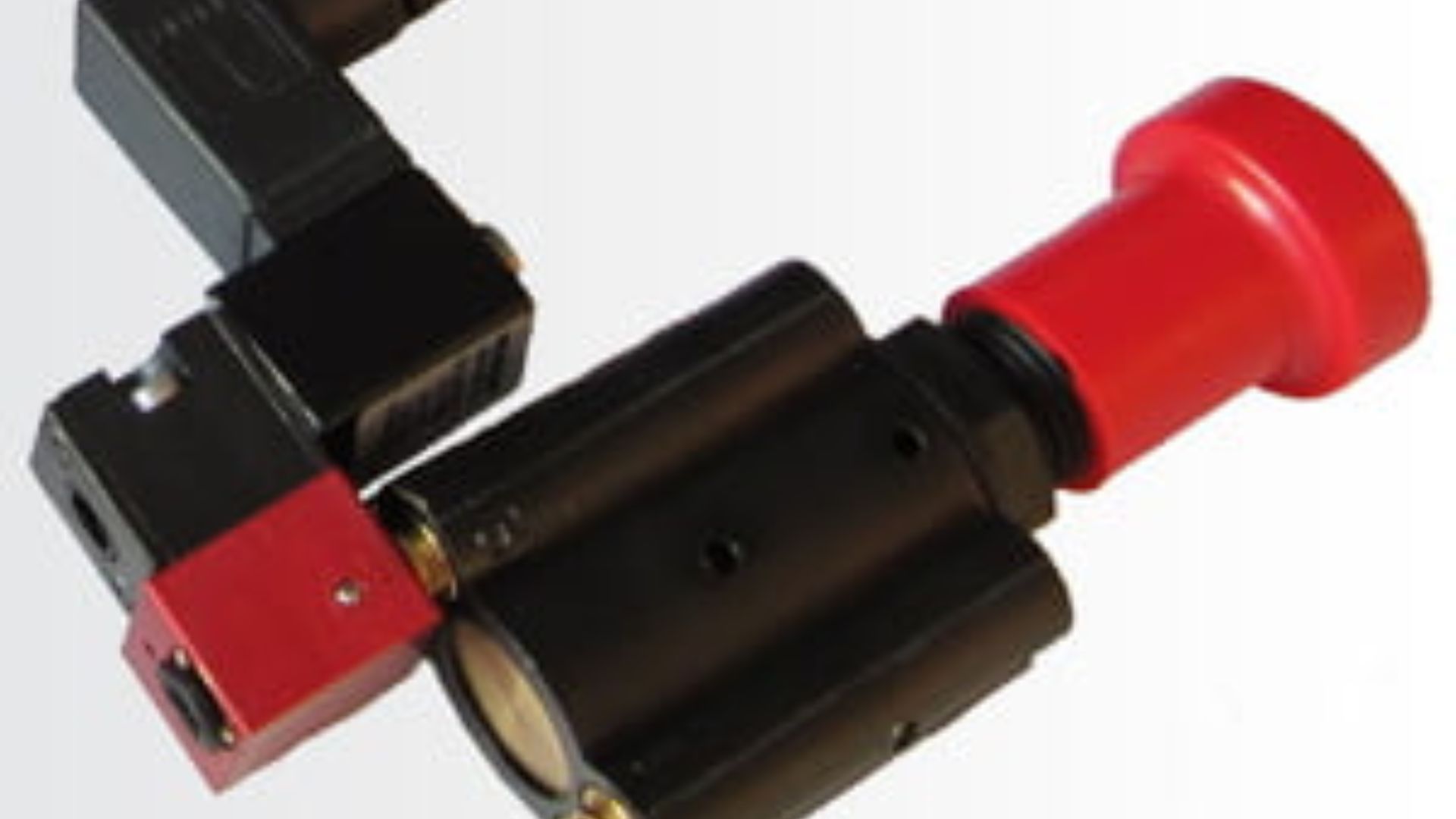
The main function of pneumatic components, such as valves, is to control the direction and flow of compressed air. Faulty or damaged valves fail to perform their job, causing delayed movement, unexpected operation, or a complete loss of pneumatic control. Even a minor valve issue can cause hours of downtime.
How to Prevent This
Maintain a dedicated team to inspect the valve’s electrical and mechanical parts. Regular checks help identify minor electrical faults or faulty components and act faster.
Level of Lubrication
A common mistake that causes notable issues with pneumatic components is under- or over-lubrication. Over-lubrication contaminates the entire system, damages seals, and affects sensitive items. In contrast, under-lubrication causes friction and general wear and tear.
How to Prevent This
Many modern components do not need lubrication and can perform without it. If lubrication is required, follow the manufacturer’s instructions. Follow the guide carefully. If you are unsure, rely on seasoned specialists.
Pneumatic components are highly durable and can withstand demanding industrial environments. Still, regular maintenance and quick action on potential issues are essential to ensure productivity.
Read our blog: How Pneumatic Systems Make Industrial Premises Efficient?
At Mead Engineering Services Ltd, we supply high-quality pneumatic components for consistent performance and high productivity. Our components are competitively priced, and we offer tailored suggestions.
Buy pneumatic components now.