
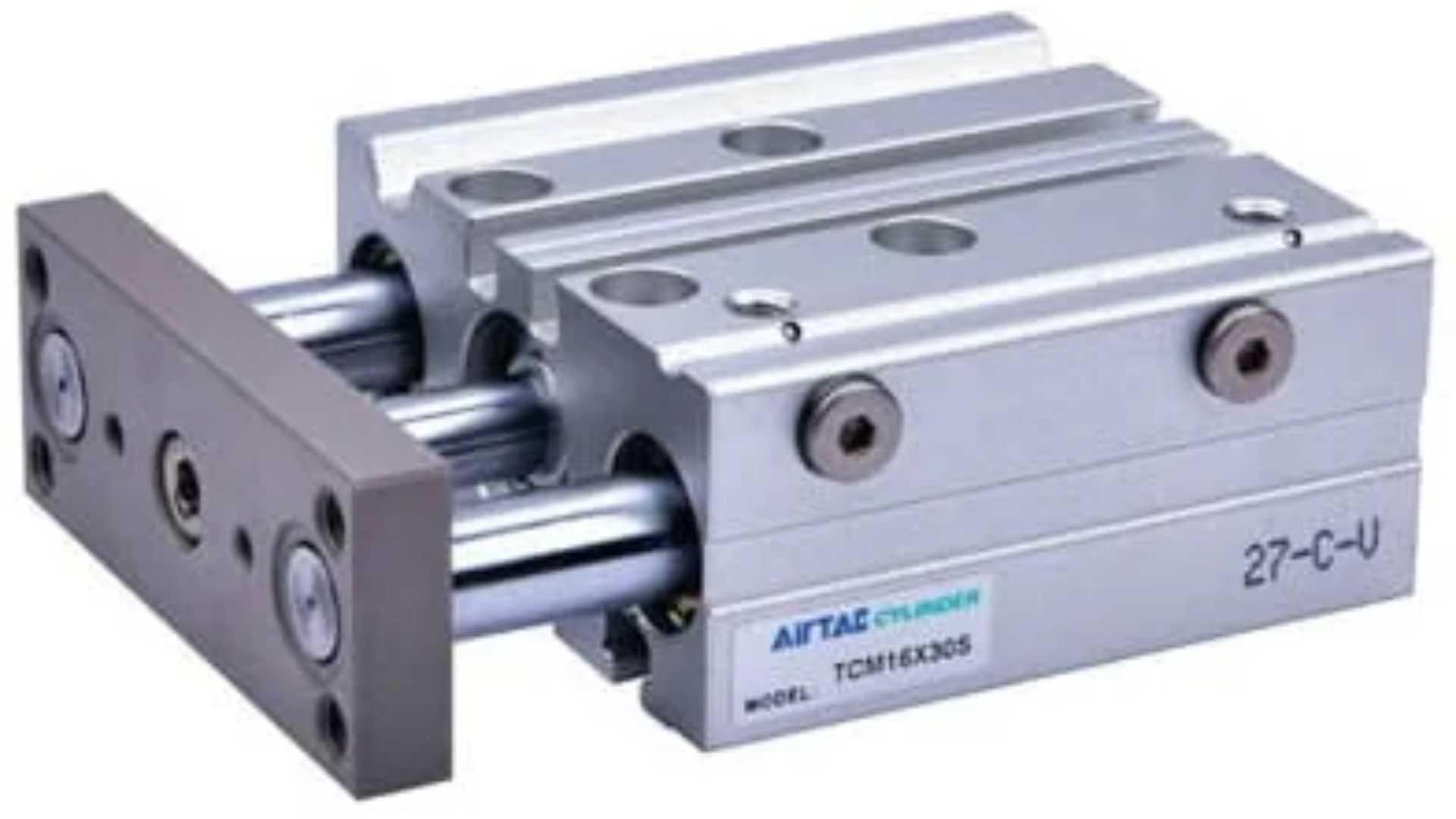
Industrial automation depends on accurate control and reliable communication between different components. Pneumatic systems handle critical tasks like gripping, clamping, lifting, positioning, and material handling. However, managing different pneumatic functions in automated machines requires a structured, bespoke pneumatic system. Custom pneumatic control panels are important in this case. They are designed around the machines’ requirements.
Bespoke systems group controls together and help operate the machine in a controlled manner.
What is a pneumatic control panel?
A pneumatic control panel controls compressed air within the automated system. Depending on the application, these panels include different valves, regulators, filters and pressure gauges. These panels are designed around the machine’s requirements and flexibility. These bespoke panels are developed around factors such as the number of actuators, movement sequence, available space, and operating pressures in an automated machine. This approach lets engineers fully control and tailor machines to standard configurations.
How do custom pneumatic panels support automation?
Improved control of pneumatic movements
Actuators and cylinders need a supply of compressed air to perform the intended movements. The control valves within the panel regulate the process of air supply. They decide when and where to supply air. They also control the machine. This is particularly useful when automated machinery needs to perform repeated movements within a consistent timeframe.
Supporting complex automation
In modern equipment, several pneumatic functions are combined together. For instance, cylinders may have moving parts, and clamps may hold them in place. Actuators also help with positioning. A bespoke pneumatic panel controls these parts in a single system. These panels can be designed to provide correct air pressure and control for every task. This makes management of machines easier.
Management of multiple functions
Custom panels manage different pneumatic operations as part of an integrated system. The design can be tailored to the required pressure levels and valve configurations. These panels are particularly useful for bespoke automated machinery where standard control management may not support the machine’s functionality.
Why is system design important?
A pneumatic control panel should be part of the wider automated machine, not an isolated component. Engineers consider factors like air consumption, pressure requirements, cylinder size, and valve selection when designing pneumatic system panels. A well-designed panel helps ensure components meet the machine’s requirements.
Custom pneumatic control panels offer an organised way to manage pneumatic functions in automated machinery. For manufacturers developing specialist automation equipment, bespoke pneumatic engineering lets them build a control system around actual requirements rather than standard configurations. A carefully considered control panel is thus an important part of any automated machine.
Get in touch with Mead Engineering Services Ltd. We specialise in designing and delivering bespoke pneumatic systems tailored to each application’s exact needs. Are you looking for a single precision-engineered component? Contact us for bespoke expert pneumatic engineering services.
We use premium parts in all our work to minimise failures and deliver consistently reliable service. Whether you need hoses, gauges, fittings, or any type of air-powered tools or equipment, we can help.