
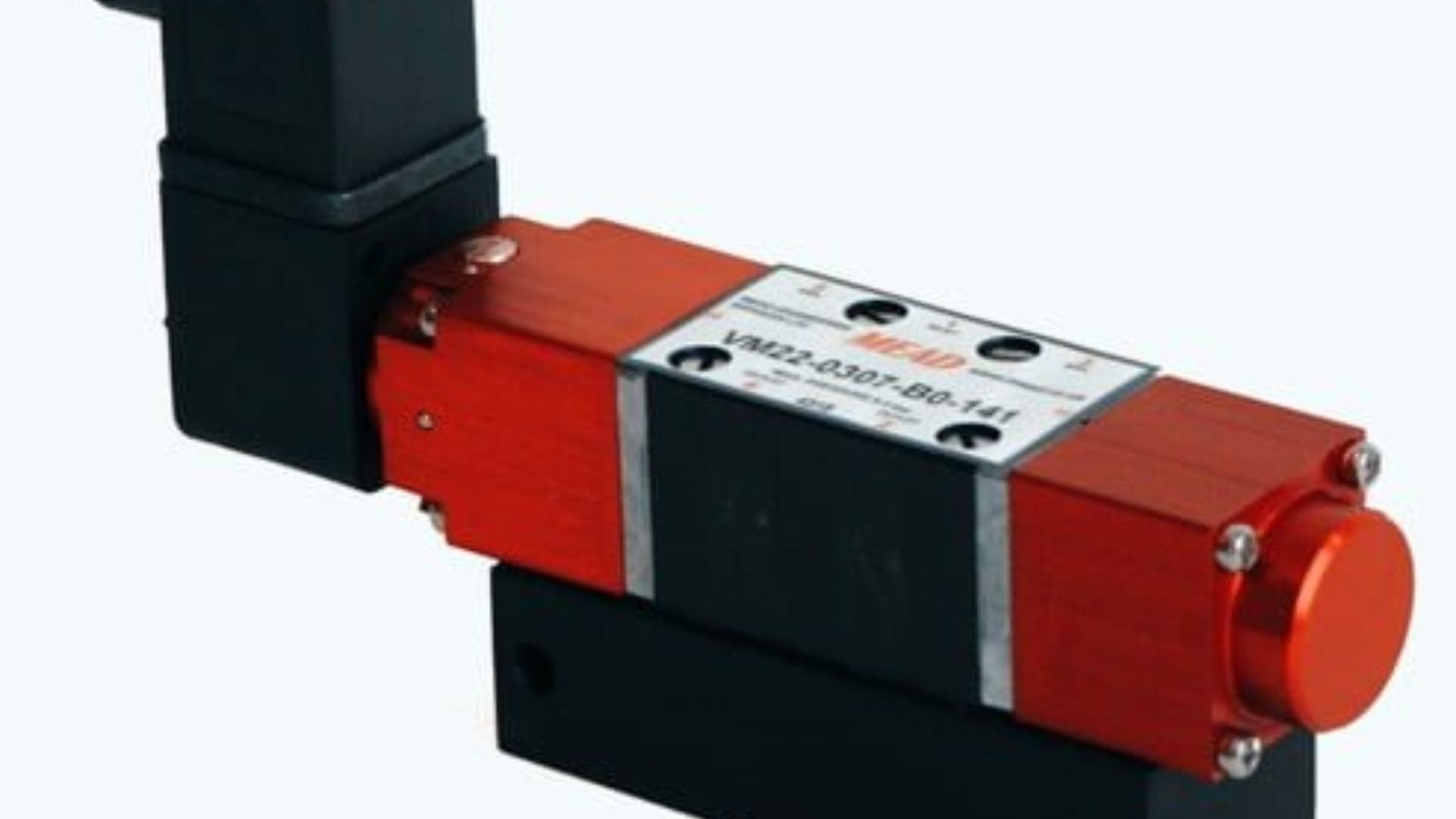
Compressed air is an important component that keeps industries in motion. Pneumatic components are everywhere. From powering tools to driving automation, they silently do their job with appropriate speed and reliability. Pneumatic systems use compressed air to achieve fast, reliable motion, making them an important component in industries such as food processing and packaging. However, the need for bespoke pneumatic systems has emerged recently due to changing industry needs.
What is a pneumatic system?
It is a process that uses compressed air to transmit and control energy. These systems are found in factory automation and food packaging machinery. These systems operate on air (filtered and compressed) rather than electric motors or hydraulic fluids. The systems are lean and are relatively simple. They are reliable and last for a lifetime.
What are the core components of a pneumatic system?
Every pneumatic system has a few core components that support its operation. They are as follows:
- Compressor: This generates compressed air without any power.
- Reservoir: helps store air and helps regulate pressure.
- Valves: these are the traffic-control components that determine where and when air flows.
- Actuators: these components help in converting air pressure into mechanical motion.
- Tubes, hoses, and fittings: these components carry air to the parts where it needs to go. These components need to be leak-proof to ensure smooth performance.
What are the advantages of pneumatic systems in industrial settings?
Simple performance
These systems have fewer parts, which leads to low maintenance, and hence they can be easily installed without any hassles.
Safe operations
In pneumatic systems, air doesn’t catch fire, spill, or overheat. In traditional oil or electricity-based components, the risk is higher.
Cleanliness
This is essential for all industrial settings. In particular, pneumatic systems are essential in food manufacturing.
Cost effectiveness
These systems are cost-effective and can be installed at any time, compared to other systems that are expensive and have high installation costs. Moreover, these systems are effective in the long run as they are durable solutions.
Industries that use pneumatic systems
Manufacturing and automation
These systems are commonly used in automated production lines for tasks such as clamping, lifting, pushing, and positioning. These systems help improve speed and accuracy in factories.
Food and beverage industry
In these industries, pneumatic systems are used for filling machines, conveyors, packaging equipment, and sorting systems. These systems ensure clean and safe operation.
Oil and chemical industries
The systems are used in the hazardous environments of these industries to control valves and handle chemicals and oil. Automation has become risk-free for these industries.
The pharmaceutical and medical industry
The systems in this industry are used for applications such as tablet packaging, packaging of laboratory tools and medical equipment, and cleanroom automation.
Material handling and logistics
Pneumatic systems are used in the material handling and logistics industry for conveyor operations and warehouse automation.
Mead Engineering Services Ltd supplies high-quality pneumatic components built to keep operations running smoothly. Our components are engineered to ensure consistent performance and minimal downtime.